


The Great Debate: Glue Down vs. Floating LVP Installation for Your San Francisco Home
When you step into one of our 10 The Floor Store showrooms—whether you’re visiting us in San Francisco, Dublin, or San Jose—you’ll likely find yourself gravitating toward Luxury Vinyl Plank (LVP). It is the undisputed heavyweight champion of the flooring world right now, offering the stunning look of hardwood with the waterproof durability that Bay Area families need.
However, once you’ve picked your perfect style, a critical technical question remains: Should you choose a Glue Down or a Floating (Click-Lock) installation?
As your local flooring specialists serving the entire Bay Area and Northern California, we’re here to break down the pros, cons, and “best-use” cases for each method so you can make an informed decision for your lifestyle and budget.
Table of Contents
- What is Floating LVP? (The “Click-Lock” Method)
- The Benefits of Floating Luxury Vinyl Plank Flooring:
- The Trade-offs of Floating LVP:
- What is Glue Down LVP?
- The Benefits of Glue Down LVP:
- The Trade-offs of Glue Down Vinyl Plank Flooring:
- Which is Right for Your Bay Area Project?
- Choose Floating LVP if…
- Choose Glue Down LVP if…
- Trust the Expertise at The Floor Store in San Francisco, CA
- Vinyl Plank Floor Installation Frequently Asked Questions (FAQ)
What is Floating LVP? (The “Click-Lock” Method)
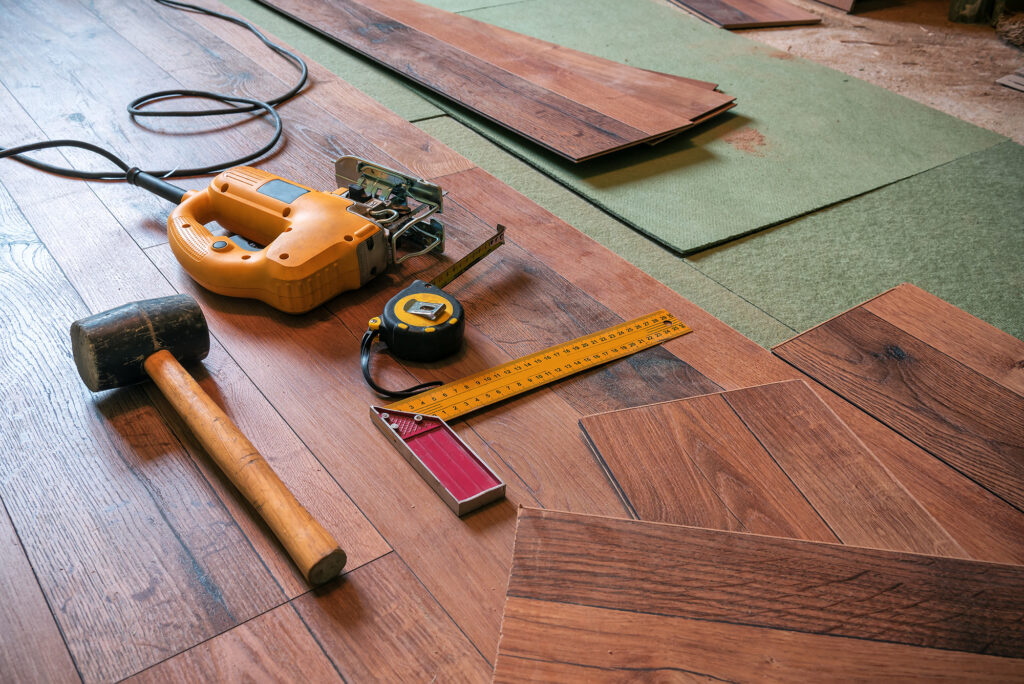
Floating LVP is the most popular choice for residential renovations today. These planks are designed with a tongue-and-groove locking system that “clicks” together. The floor isn’t actually attached to the subfloor; instead, it sits on top (hence, “floating”), held in place by its own weight and the friction of the perimeter walls.
The Benefits of Floating Luxury Vinyl Plank Flooring:
- Subfloor Forgiveness: Because it’s a thicker, more rigid product, it can bridge minor imperfections in your subfloor (like slight dips or old tile) without showing them on the surface.
- DIY-Friendly: It is the easiest type of flooring to install, making it a favorite for weekend warriors.
- Comfort and Sound: Most floating planks come with a pre-attached underlayment, providing a softer feel underfoot and better sound absorption—perfect for second-story rooms in a San Rafael or Santa Rosa home.
The Trade-offs of Floating LVP:
- The “Bounce”: If the subfloor isn’t perfectly level, you might feel a slight vertical movement when you walk on it.
- Replacement: To replace a damaged plank in the middle of the room, you often have to “un-click” everything from the wall to that specific spot.
What is Glue Down LVP?
Glue down LVP involves applying a pressure-sensitive adhesive to the subfloor and laying the planks directly into it. This is the gold standard for commercial spaces, but it’s becoming increasingly popular in large-scale residential projects in areas like Sunnyvale and Concord.
The Benefits of Glue Down LVP:
- Maximum Stability: Once it’s glued down, it isn’t going anywhere. There is zero “bounce” or “shifting,” giving the floor a very solid, permanent feel that mimics real hardwood.
- Individual Plank Replacement: If a single plank gets gouged or damaged, you can simply heat the adhesive, pop that one plank out, and glue a new one in its place without disturbing the rest of the floor.
- No Transition Strips: In very large rooms or long hallways, floating floors require “transition strips” to allow for expansion. Glue down floors do not, allowing for a seamless, high-end look across huge spans of your home.
The Trade-offs of Glue Down Vinyl Plank Flooring:
- Subfloor Prep is Vital: Glue down planks are thinner and more flexible. If your subfloor has a pebble or a crack, it will “telegraph” through to the surface over time. Professional leveling is almost always required.
- Installation Cost: Because of the subfloor prep and the adhesive process, professional installation is usually more labor-intensive.
Which is Right for Your Bay Area Project?
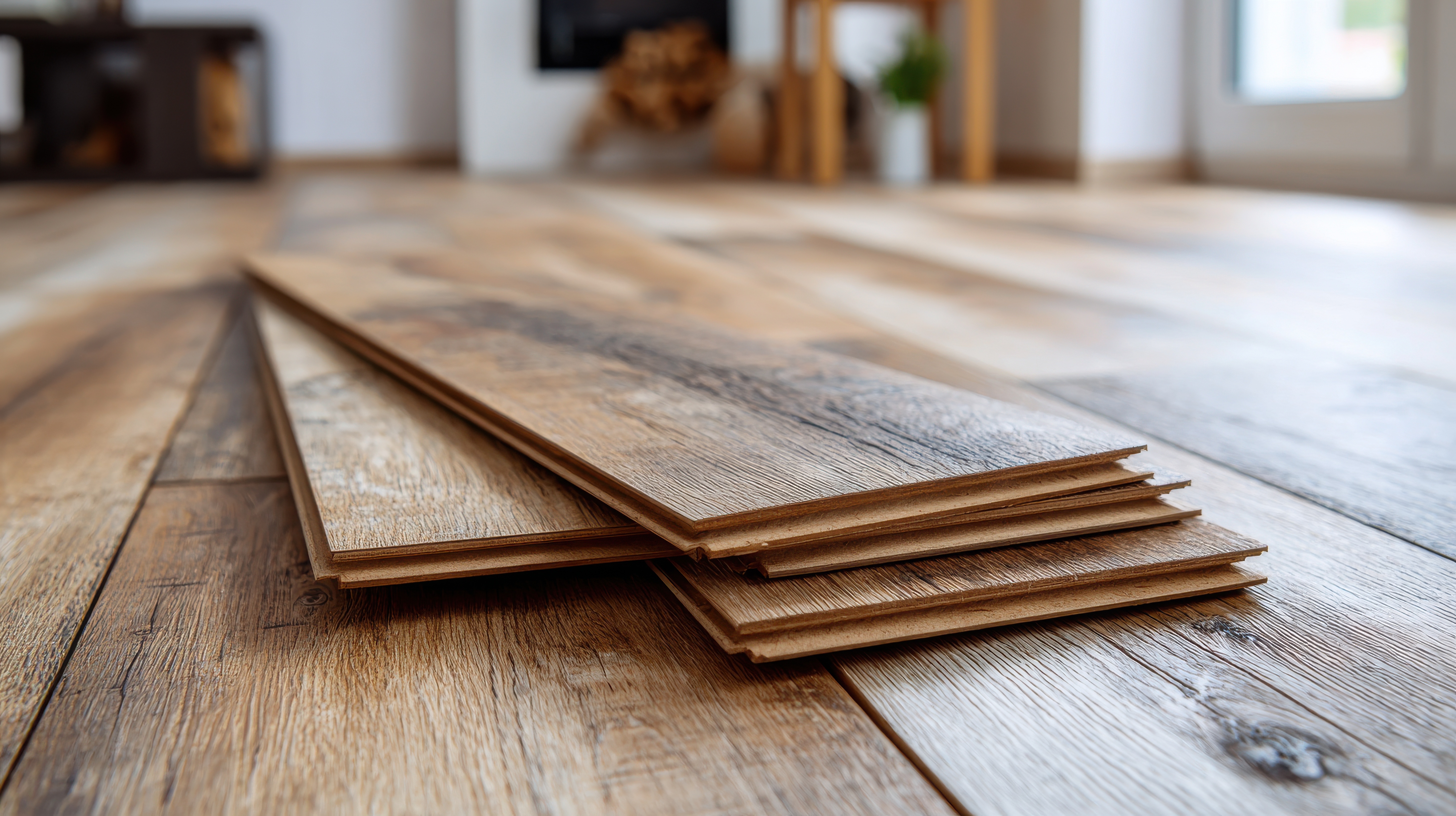
Choose Floating LVP if…
You are doing a quick refresh of a bedroom or a kitchen and want to install directly over an existing hard surface.
It’s also ideal for condo living in San Francisco or San Carlos, where the built-in sound pads help keep the neighbors downstairs happy.
Choose Glue Down LVP if…
You are doing a full-scale remodel of a large, open-concept home or a commercial space in the South Bay.
If you have heavy furniture, rolling chairs, or a high-traffic household with large pets, the permanence of glue down is worth the extra prep work.
Trust the Expertise at The Floor Store in San Francisco, CA
At The Floor Store, our commitment is to help you find the best flooring that matches your style and your budget. While a product might look great in a sample, the “right” installation method depends entirely on the condition of your home’s foundation.
Our team at each of our 10 locations is knowledgeable about the nuances of California homes—from the pier-and-beam foundations in older Santa Rosa neighborhoods to the concrete slabs in new Dublin developments.
We’ll help you choose the right product and the right installation method to ensure your floor looks beautiful for decades.
Our Locations
- Richmond / Albany, CA
- Burlingame, CA – Outlet Now Open
- Concord, CA
- The Flooring Store in Dublin, CA
- Fairfield, CA
- San Carlos, CA
- San Francisco, CA
- San Jose, CA
- San Rafael, CA
- Santa Rosa, CA
- Sunnyvale, CA
Vinyl Plank Floor Installation Frequently Asked Questions (FAQ)
Can I install floating LVP over my existing tile?
Usually, yes! As long as the tile is flat, well-bonded, and the grout lines aren’t excessively deep. This is one of the biggest reasons homeowners in the Bay Area choose floating floors—it saves the mess and cost of ripping out old tile.
Is one more waterproof than the other?
Both products are 100% waterproof. However, with Glue Down, the adhesive acts as an extra barrier, and because the planks don’t move, there is less chance of water seeping through the seams during a major spill.
Do I need a transition strip between rooms?
With a Floating floor, you generally need a transition strip in doorways or in rooms longer than 40-50 feet to allow for natural expansion and contraction. With Glue Down, you can often run the floor continuously through the entire house for a sleek, modern look.
Is Glue Down LVP cheaper?
The material is often slightly cheaper because it doesn’t require a complex locking mechanism or attached padding. However, when you factor in the cost of professional adhesive and the necessary subfloor smoothing, the total “installed” price is often similar to a high-end floating floor.