


Investing in Hardwood Refinishing in the Bay Area
When you invest in genuine hardwood flooring, you’re purchasing a long-term asset for your home. Unlike other flooring materials, natural wood has the remarkable ability to be renewed, transforming a worn, scratched, or dull surface back to its original glory through the process of refinishing. With this process, hardwood floors possess a legendary lifespan that can easily exceed a century.
However, the ability to refinish your wood floor is not infinite. Hardwood refinishing is directly related to the physical thickness of the wood layer above the tongue-and-groove joint, often called the “wear layer.” We believe that understanding this critical dimension is essential for any homeowner considering a hardwood purchase or planning a future hardwood restoration project.
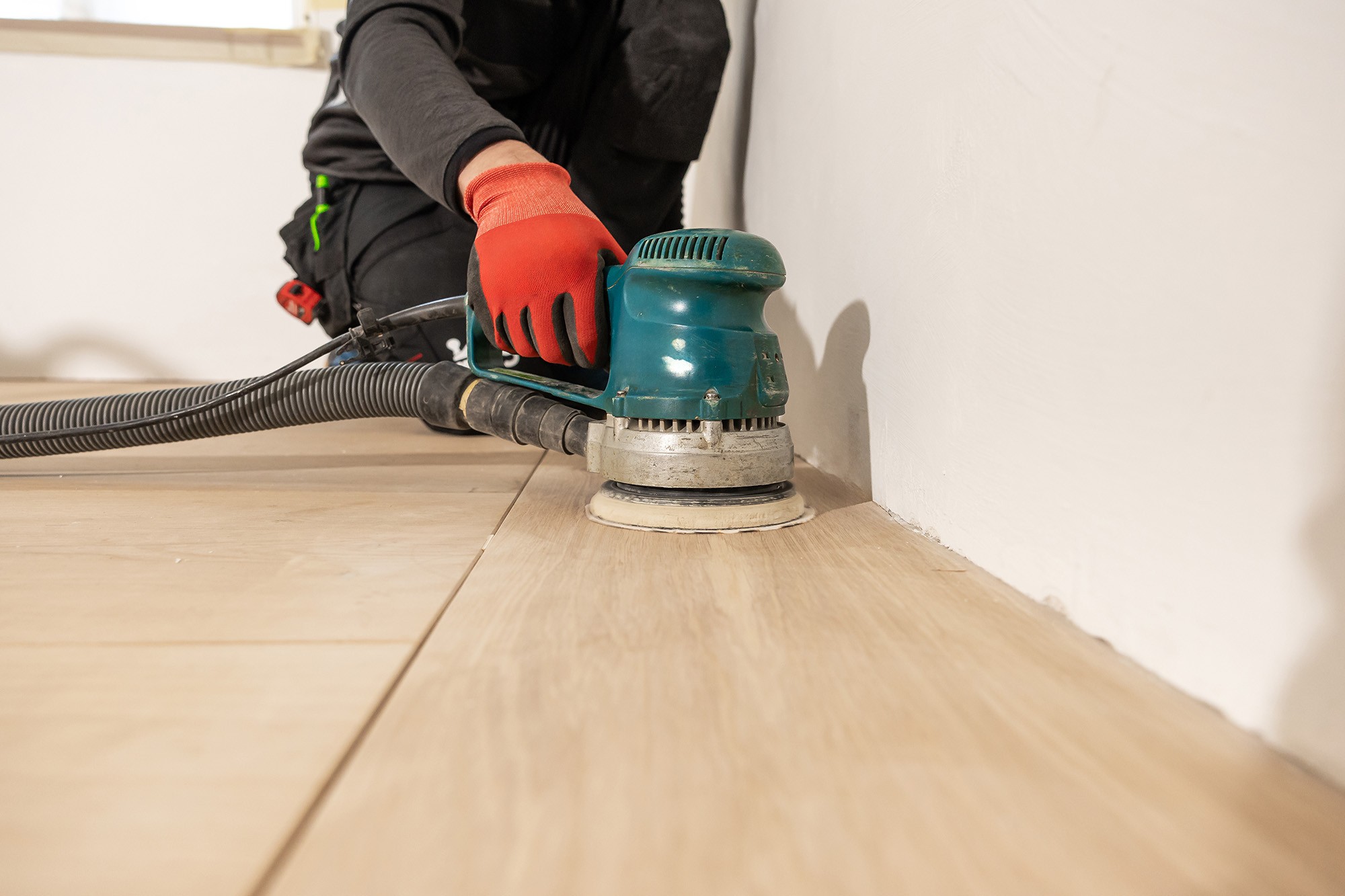
Refinishing Solid Hardwood Flooring
For solid hardwood flooring, the entire plank is one piece of continuous wood, typically milled to a standard thickness of 3/4 inch. Utilizing this construction will offer the maximum amount of usable wood for sanding and refinishing.
- Hardwood Flooring Thickness: Hardwood thickness truly matters for refinishing, as it is the distance from the top surface of the board down to the very top of the tongue-and-groove joint. Once the sander wears down past the tongue joint, you compromise the structural integrity of the entire floor, and you risk hitting the nails that secure the plank to the subfloor.
- Total Hardwood Refinishes: In a standard 3/4-inch solid hardwood plank, the wear layer above the joint is substantial enough to allow for 5 to 7 full, deep sandings over its lifespan. Your floor can easily last 75 to 100+ years, assuming the refinishing is done correctly by a professional. Solid hardwood is the gold standard for longevity thanks to this depth.
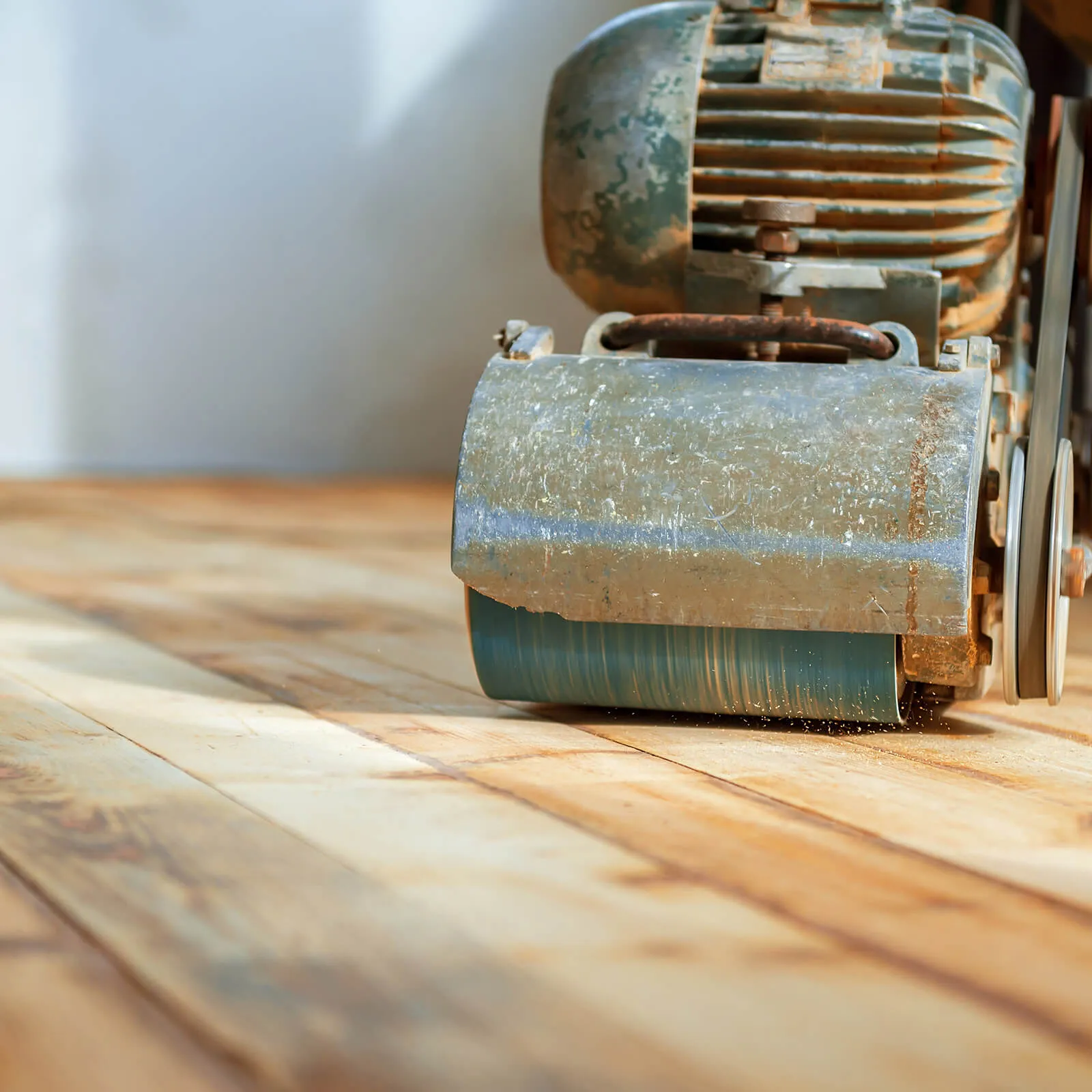
Can Engineered Hardwood Be Refinished?
Engineered hardwood flooring presents a slightly more complex scenario because its refinishing capability depends entirely on the thickness of its top veneer layer of genuine hardwood. The rest of the plank is made up of stable plywood layers.
- Veneer Thickness: Engineered hardwood veneers can range dramatically, usually measured in millimeters (mm).
- Less than 1 mm: These are generally considered non-refinishable. The veneer is just a decorative layer and a deep sanding would immediately expose the plywood core.
- 2 mm: This is a thinner, more entry-level veneer. It may handle 1 light, very careful sanding in its lifetime.
- 3 mm (Approx. 1/8 inch): This is a good standard thickness. It allows for 1 to 2 professional refinishes, offering a lifespan of 30 to 50 years. This is often an excellent balance of stability and refinish capability.
- 4 mm and thicker: Considered a premium engineered product. A 4mm veneer (or thicker) can often handle 2 to 3 full sandings, putting it very close to the longevity of a solid hardwood floor while retaining the structural stability of an engineered product.
Does Wood Flooring Thickness Matters?
The difference in thickness, especially for engineered products, is a direct trade-off between cost and longevity.
- A thinner veneer saves money upfront but commits you to replacing the floor sooner.
- A thicker, premium veneer costs more initially but provides the long-term investment and renewal capacity that homeowners value.
- If you are looking for a lifetime floor that will be in your family for generations, a solid 3/4-inch hardwood is likely your best bet.
- If you need the moisture resistance and stability of engineered flooring but still want the option to refinish, look for a premium engineered plank with a 3mm or 4mm wear layer.
Key Takeaway: When shopping for hardwood, always ask for the wear layer thickness, especially when considering engineered flooring. Don’t confuse the overall thickness of the plank (which can be 3/8″, 1/2″, or 5/8″) with the usable wear layer.
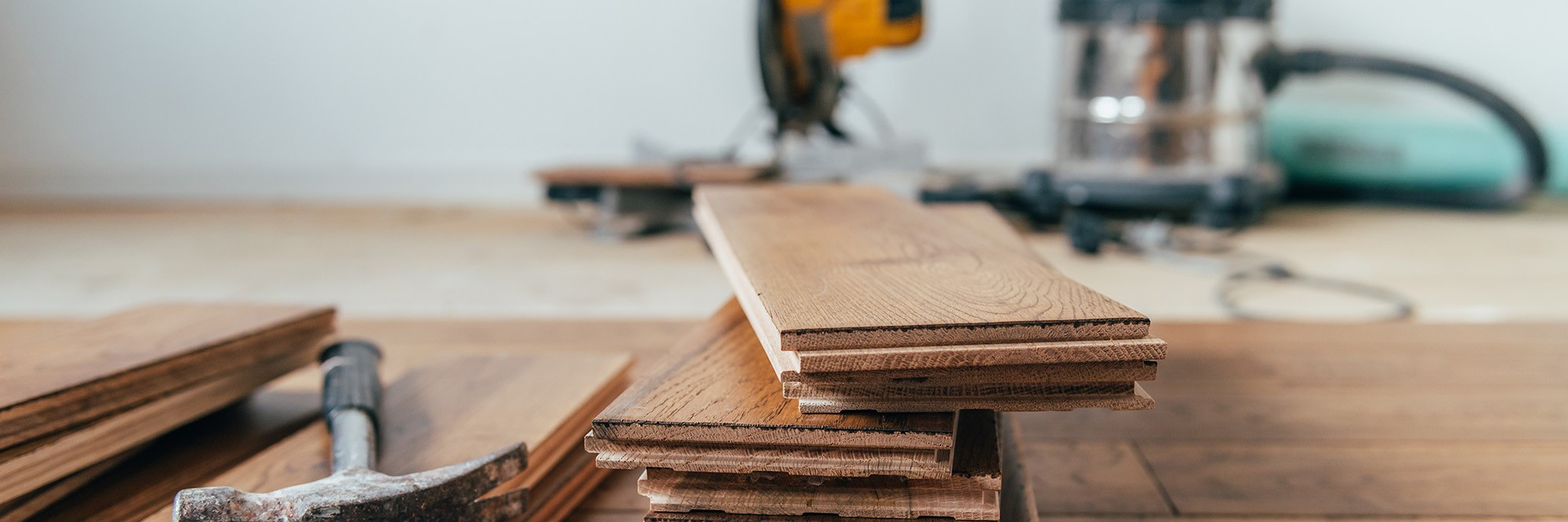
Hardwood Flooring Experts in Northern California
When you utilize the ease of shop-at-home, our hardwood flooring experts can bring samples directly to your Bay Area residence and walk you through the wear layer specifications of each option. Our process helps you match the floor’s durability and refinish capabilities to your family’s needs and timeline.
Visit one of our 10+ convenient showrooms across the Bay Area and Northern California, including San Francisco, Albany, Richmond, Concord, Dublin, San Carlos, San Jose, San Rafael, Santa Rosa, Sunnyvale, and Fairfield. Contact our team if we can help guide you through the details of hardwood wear layers and hardwood installation.