


How to Use Tongue and Groove Flooring
If you have ever explored options for hardwood, engineered wood, laminate, or even some high-end vinyl planks, you have likely encountered the term tongue and groove flooring.
Far from just technical jargon, the tongue and groove system is the fundamental installation method used to connect and lock flooring planks together, transforming loose boards into a solid, integrated, and stable surface. Understanding ‘what is tongue and groove?’ is key to understanding the longevity and installation of most durable floor types.
Table of Contents
- What Is Tongue and Groove Flooring?
- The Benefits of Tongue and Groove Flooring
- Structural Stability & Integration
- Gap Prevention
- Hidden Fasteners
- Ease of Installation
- Best Tongue and Groove Flooring Options
- Tongue and Groove Flooring at The Floor Store!
What Is Tongue and Groove Flooring?
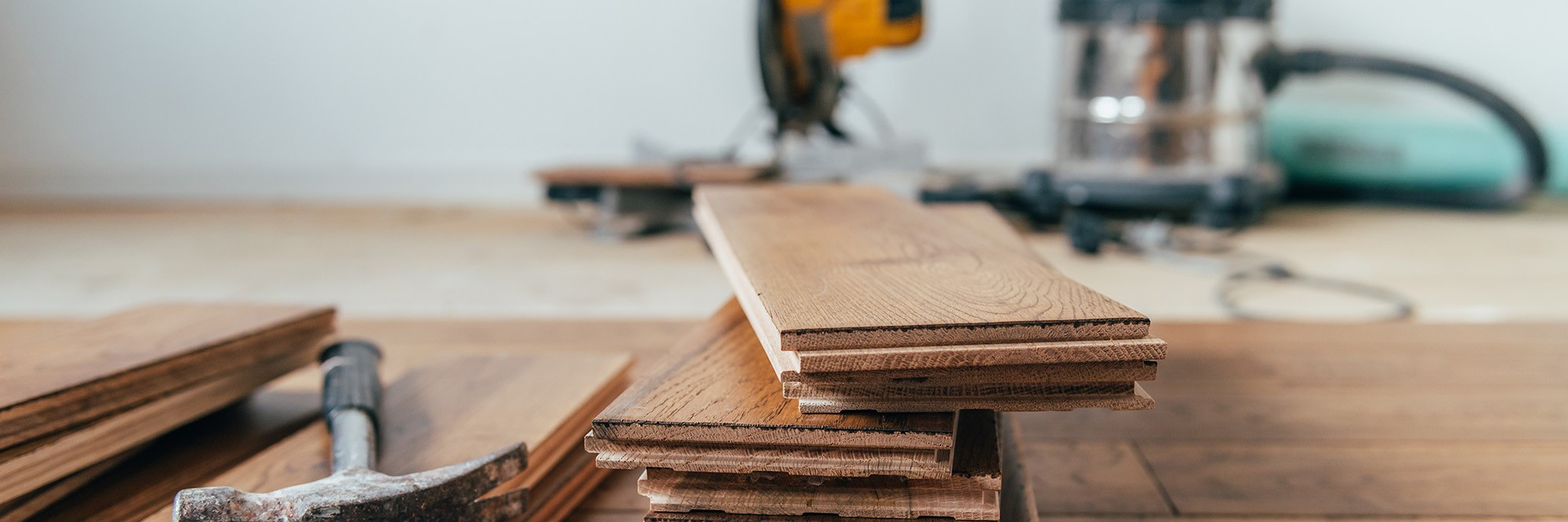
The name of the system perfectly describes its two main components:
- The Tongue: A protruding ridge milled along one long edge and one short edge of the plank.
- The Groove: A corresponding, recessed channel milled along the opposite two edges of the plank.
During installation, the tongue of one plank is simply inserted into the groove of the adjacent plank. When properly fitted, the two boards lock together tightly, creating a seamless connection that distributes weight evenly across the entire surface.
The Benefits of Tongue and Groove Flooring
This simple yet brilliant design offers several critical advantages that have made it the industry standard for centuries:
Structural Stability & Integration
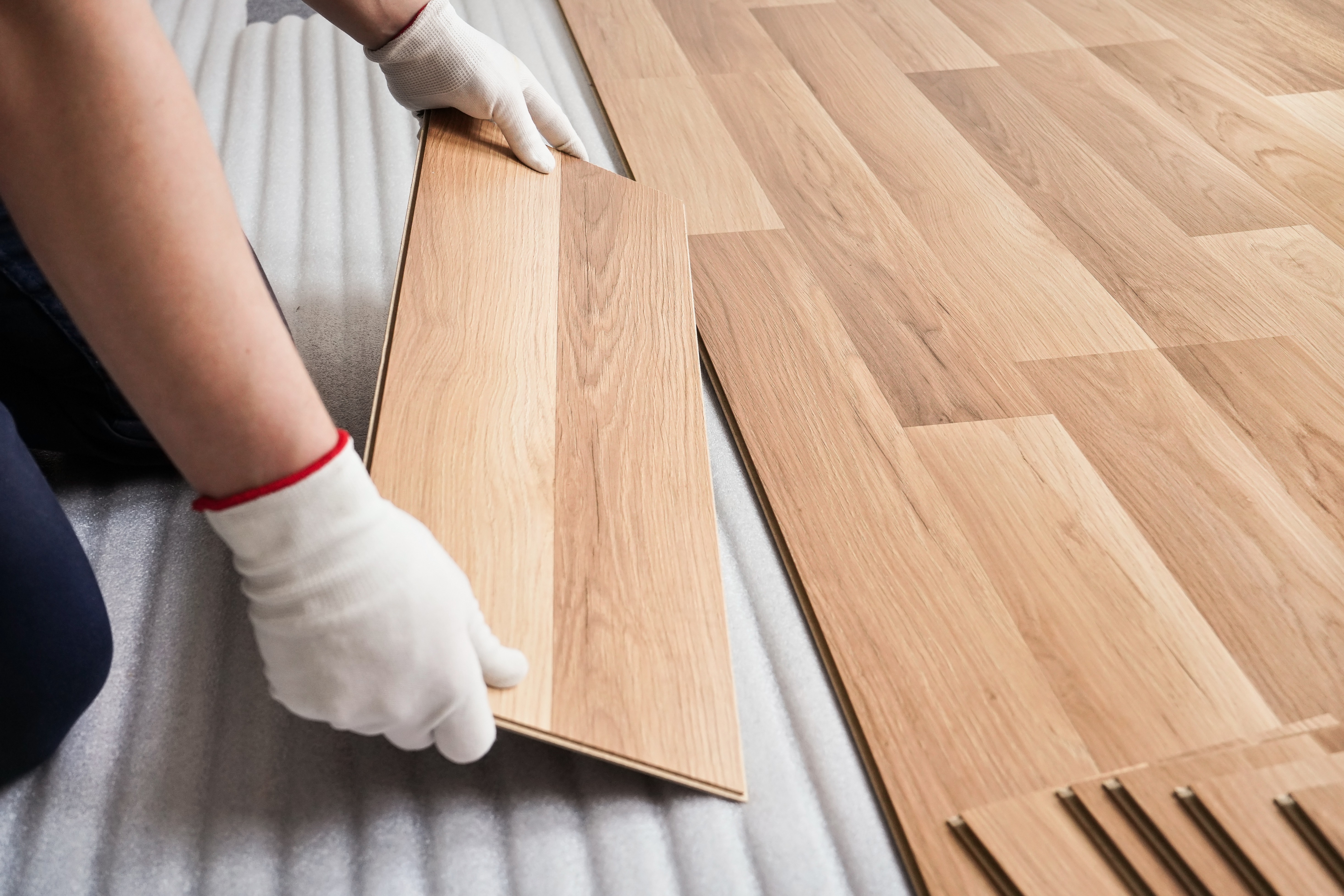
The tight locking mechanism ensures that the floor acts as a single, cohesive unit. This prevents individual boards from shifting, separating, or lifting, which is a common issue with non-integrated flooring systems. This structural integrity is vital for a floor that will last decades.
Gap Prevention
As solid hardwood floors naturally expand and contract with changes in humidity and temperature, the tongue and groove joint helps to minimize visible gaps.
The interlocking nature holds the planks tight, ensuring that minor movements are absorbed across the system rather than resulting in large, unsightly separations.
Hidden Fasteners
For solid hardwood and engineered wood, the tongue-and-groove joint is where the floor is fastened to the subfloor. Nails or staples are driven through the tongue at a 45-degree angle.
Once the next plank is installed, the groove covers the fastener completely. This technique, called blind nailing, keeps the fasteners invisible from the surface, preserving the floor’s flawless appearance.
Ease of Installation
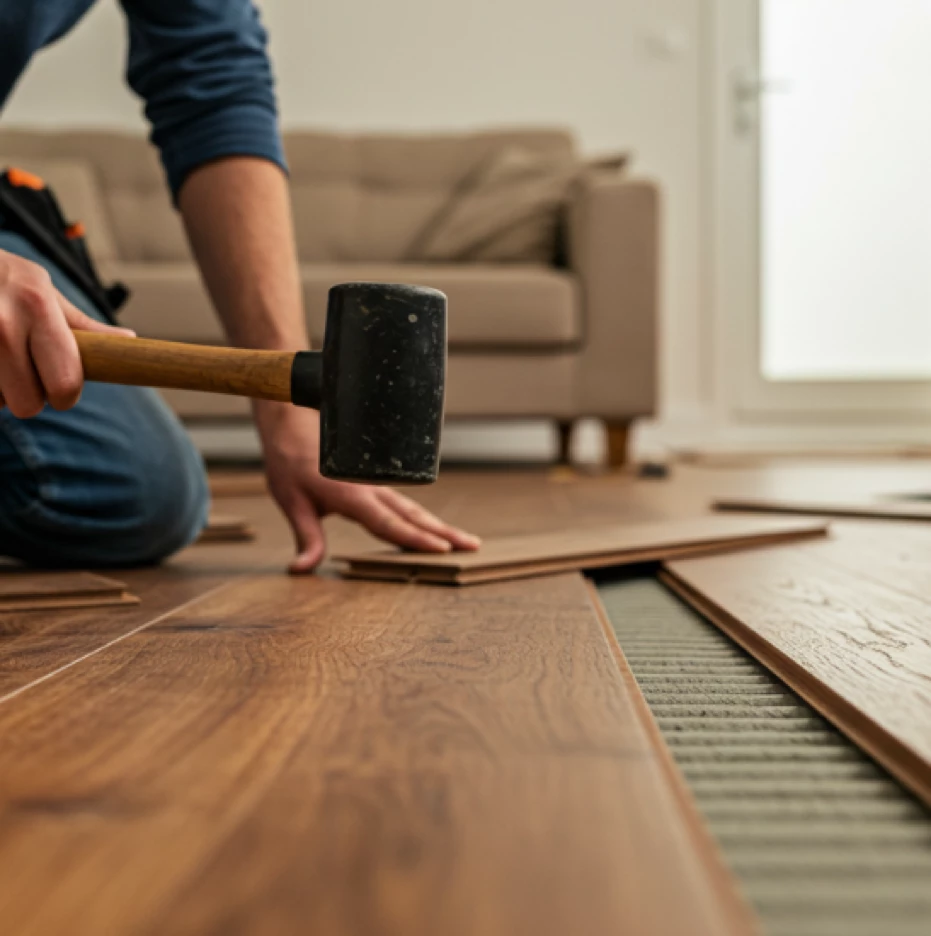
While traditional tongue and groove planks require wood glue or blind nailing, modern flooring uses an evolution called click-lock or floating tongue and groove.
Since this system allows planks to simply click or snap together at an angle, it creates an immediate, strong mechanical lock without the need for glue or nails.
Use this innovation for easier and faster flooring installation that allows both professionals and handy DIYers to transform the process into a project of laying and locking pieces.
Best Tongue and Groove Flooring Options
- Tongue and Groove Hardwood Flooring: Traditional solid hardwood installation and engineered hardwood installation use the original tongue and groove for blind nailing installations.
- Tongue and Groove Laminate & Vinyl: Laminate installation and luxury vinyl installation both utilize the click-lock system, allowing the floor to “float” (not be fastened) over the subfloor, relying solely on the strength of the locked joints to keep it together.
The tongue and groove system is proof that sometimes, the simplest solutions are the most enduring. When you purchase quality flooring that features a robust tongue and groove or click-lock system, you are buying a floor that is designed for decades of seamless performance.
Get Tongue and Groove Flooring at The Floor Store!
We believe the process of selecting tongue and groove flooring should be just as seamless. Our shop-at-home option makes it easy to evaluate plank quality and locking systems right in your own San Jose, San Francisco, or Santa Rosa home, ensuring you are confident in your choice before installation.
Our experts are ready to show you the difference a high-quality tongue and groove system makes. Contact us or visit one of our 10+ convenient showrooms in the Bay Area, including Sunnyvale, Fairfield, and San Carlos. We are committed to helping you find the best flooring that matches your style, lifestyle, and budget.
Locations
- Richmond / Albany, CA
- Burlingame, CA – Outlet Now Open
- Concord, CA
- The Flooring Store in Dublin, CA
- Fairfield, CA
- San Carlos, CA
- San Francisco, CA
- San Jose, CA
- San Rafael, CA
- Santa Rosa, CA
- Sunnyvale, CA